Care directory
Compare maintenance-free independent living communities by location and amenities, then contact the ones you like directly. Free to use.
Guide
Independent living is for older adults who manage daily life on their own but want the convenience and community of a senior living setting: a vibrant, maintenance-free lifestyle with social opportunities, amenities and optional services.
Retirement should be about doing more of what you love, not worrying about home maintenance or isolation. Some communities also offer à la carte services like personal care or medication reminders, so support can grow as needs change.
• Active and self-sufficient seniors
• People looking to downsize from a home
• Anyone who prefers a low-maintenance lifestyle
• Those seeking new friendships and activities
• Seniors who want optional support nearby
• Private apartments, villas or cottages
• Restaurant-style dining
• Housekeeping and linen services
• Scheduled transportation
• 24-hour security and emergency response
• Fitness centers and wellness programs
• Clubs, lectures and cultural activities
• Freedom and autonomy in a secure setting
• No home upkeep
• A built-in community that reduces isolation
• Services on hand without losing independence
• Time for travel, hobbies and learning
Independent living is about lifestyle, not just location. Use the directory to:
• Explore and compare communities
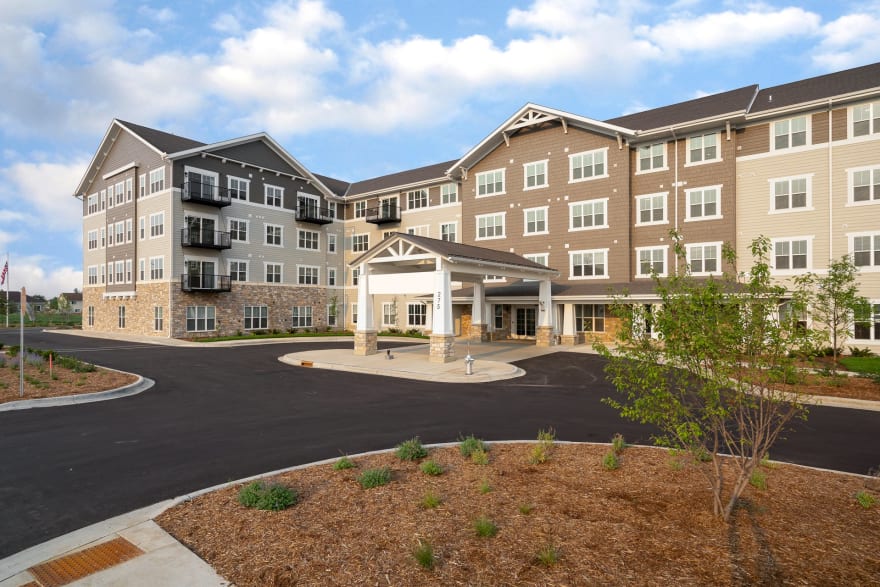
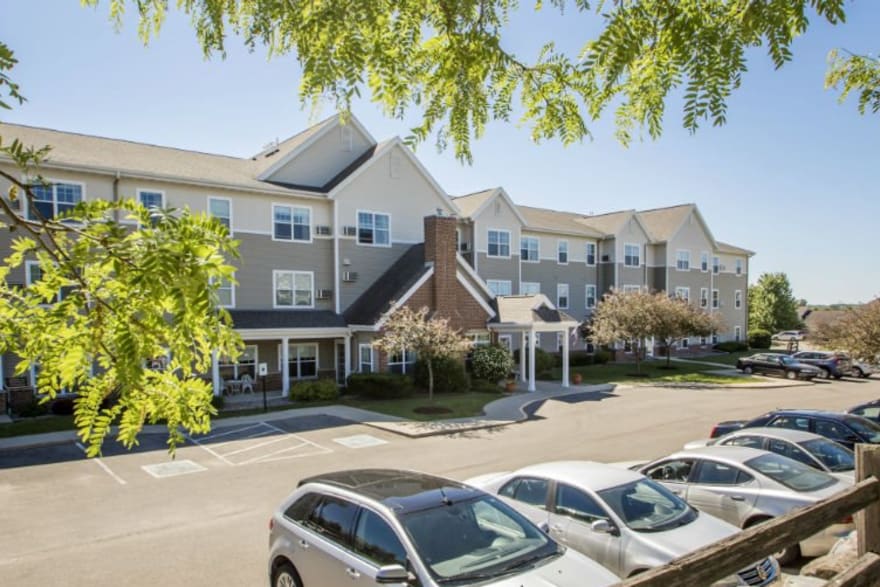
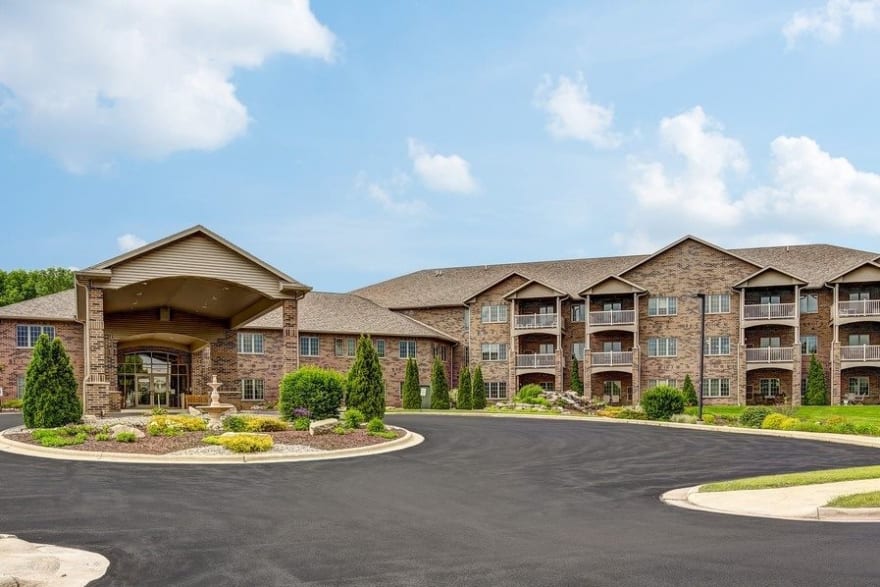
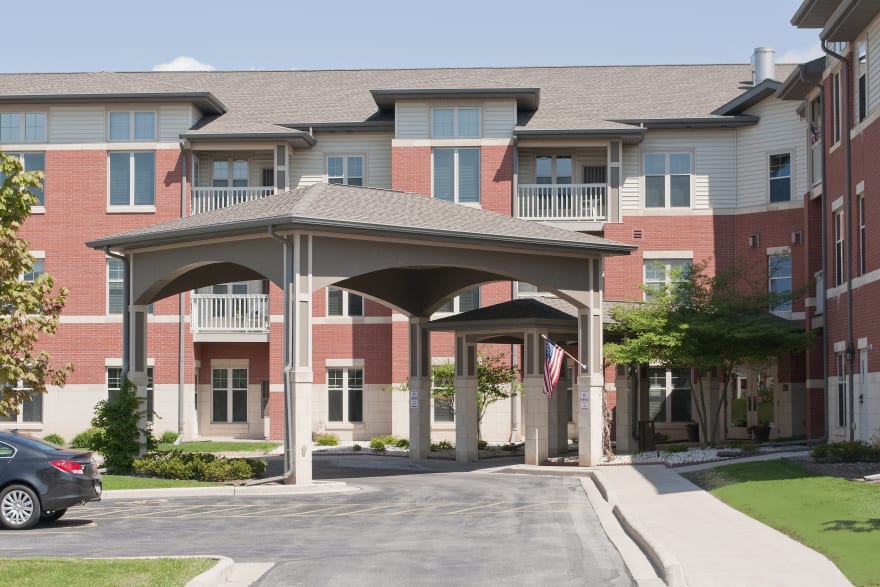
• Browse photos and amenities
• Check what’s included
• Schedule tours or contact providers directly
Independent living isn’t about needing help. It’s about making later life simpler, more social and more secure.
Roof repairs, yard work, snow clearing and broken appliances become someone else’s job. Many communities also include housekeeping, linen service and utilities in one monthly payment, which makes budgeting easier.
Neighbors of a similar stage of life, shared dining, clubs, classes and outings make it easy to build friendships, which matters more than ever after retirement, a move or the loss of a partner.
Secure buildings, emergency response systems and staff on site mean help is close if something goes wrong, without giving up privacy. Families often feel reassured knowing their loved one isn’t living alone in a large house.
Fitness centers, wellness programs, lectures, travel groups and hobby spaces encourage an active lifestyle. Many communities also offer optional services, or are part of a campus with assisted living, if needs change later.
Independent living costs vary more than almost any other type of senior living, depending on location, the size of the home, the amenities on offer and how the community is structured. Most communities fall into one of two pricing models:
Monthly rental: you pay a monthly fee that typically covers rent, some or all meals, housekeeping, maintenance, utilities, activities and transportation, with no large upfront payment.
Entrance-fee (life plan) communities: also called continuing care retirement communities, these usually charge a significant one-time entrance fee plus a monthly fee, in return for access to higher levels of care on the same campus later on. Contracts and refund terms vary, so read them carefully and consider independent financial or legal advice.
Always ask for a written list of what’s included, what costs extra, and how much monthly fees have risen in recent years.
• Personal savings and investments
• Proceeds from selling the family home
• Pensions, retirement accounts and Social Security income
• Rental income from a property
Good to know: Independent living is mainly a housing choice, so it’s usually paid for privately. Medicare doesn’t cover it, and long-term care insurance and Medicaid generally only help with care services, not rent.
Weighing up your next move? Here’s how independent living compares.
Staying at home keeps everything familiar, but upkeep, isolation and safety can become harder over time. Independent living trades some of that familiarity for convenience, company and support close by.
Age-restricted (55+) communities are usually homes you buy or rent with shared amenities, but few services. Independent living communities typically add dining, housekeeping, transportation and organized activities.
Independent living is for people who don’t need help with daily tasks. Assisted living adds hands-on personal care like help with bathing, dressing and medication, along with 24-hour staff.
A life plan community (CCRC) combines independent living with assisted living, memory care and often skilled nursing on one campus, so residents can move between levels of care without leaving their community.
Spend time in the common areas, try a meal and talk to residents about what they enjoy. Then ask:
• What exactly does the monthly fee include?
• Is there an entrance fee, and what are the refund terms?
• How much have fees increased over the last three years?
• How many meals are included, and how flexible is dining?
• What transportation is available, and when?
• What activities and clubs are on this month’s calendar?
• Are pets welcome?
• What security and emergency response systems are in place?
• Can residents bring in outside home care if needed?
• Is assisted living or memory care available on site later?
Tip: Ask if you can stay for a short trial visit or overnight. It’s the best way to get a real feel for daily life in the community.
What is independent living for seniors?
Independent living is a housing option for older adults who can manage daily life on their own but want a simpler, more social lifestyle. Residents live in private apartments, villas or cottages, with services like dining, housekeeping, maintenance and activities included or available.
What’s the difference between independent living and assisted living?
Independent living offers convenience and community but no hands-on personal care. Assisted living includes help with daily activities such as bathing, dressing and medication, with staff available around the clock.
How much does independent living cost?
It varies widely by location, home size, amenities and pricing model. Some communities charge a monthly rent only, while life plan communities usually charge an entrance fee plus monthly fees. Ask each community for a full written breakdown.
Does Medicare pay for independent living?
No. Independent living is considered housing, so Medicare doesn’t cover it. Most residents pay privately, often using savings, retirement income or the sale of a home.
What happens if my care needs change?
Many communities let residents bring in home care services, and some are part of a campus with assisted living, memory care or nursing care. Ask how the community supports residents as their needs change before you move in.
How do I find independent living near me?
Use the search and filters at the top of this page to browse independent living communities by location and amenities. Shortlist a few, contact them directly, and book a visit. For help narrowing down your options, get in touch.
Whether you’re moving soon or just exploring, search the directory above or ask us for help.