
A board and care home is a small, licensed residential home, usually an ordinary house in a residential neighborhood, where a handful of older adults live together and get meals, supervision and help with daily activities such as bathing, dressing and medication from live-in or round-the-clock caregivers.
Board and care homes go by many names: residential care homes, adult family homes, adult foster homes, personal care homes, group homes for the elderly or, in California, residential care facilities for the elderly (RCFEs). They offer much of what assisted living offers, but in a home with typically 6 or fewer residents instead of a large community. This guide explains how they work, what they cost, how they compare with assisted living and nursing homes, and how to pay for one.
Quick answers
- What it is: A licensed private home caring for a small group of seniors, often 6 or fewer.
- Services: Room, meals, 24-hour supervision, help with daily activities, medication help, housekeeping and laundry.
- Cost: There’s no official national figure. Industry estimates put typical rates around $3,500–$4,500 a month, often less than the $6,200 national median for assisted living (CareScout 2025).
- Medicare: Doesn’t pay for room, board or personal care.
- Medicaid: Can pay for care services in many states through waivers, but not room and board.
- Best for: People who want a quiet, homelike setting and a high staff-to-resident ratio, including many people with dementia.
What is a board and care home?
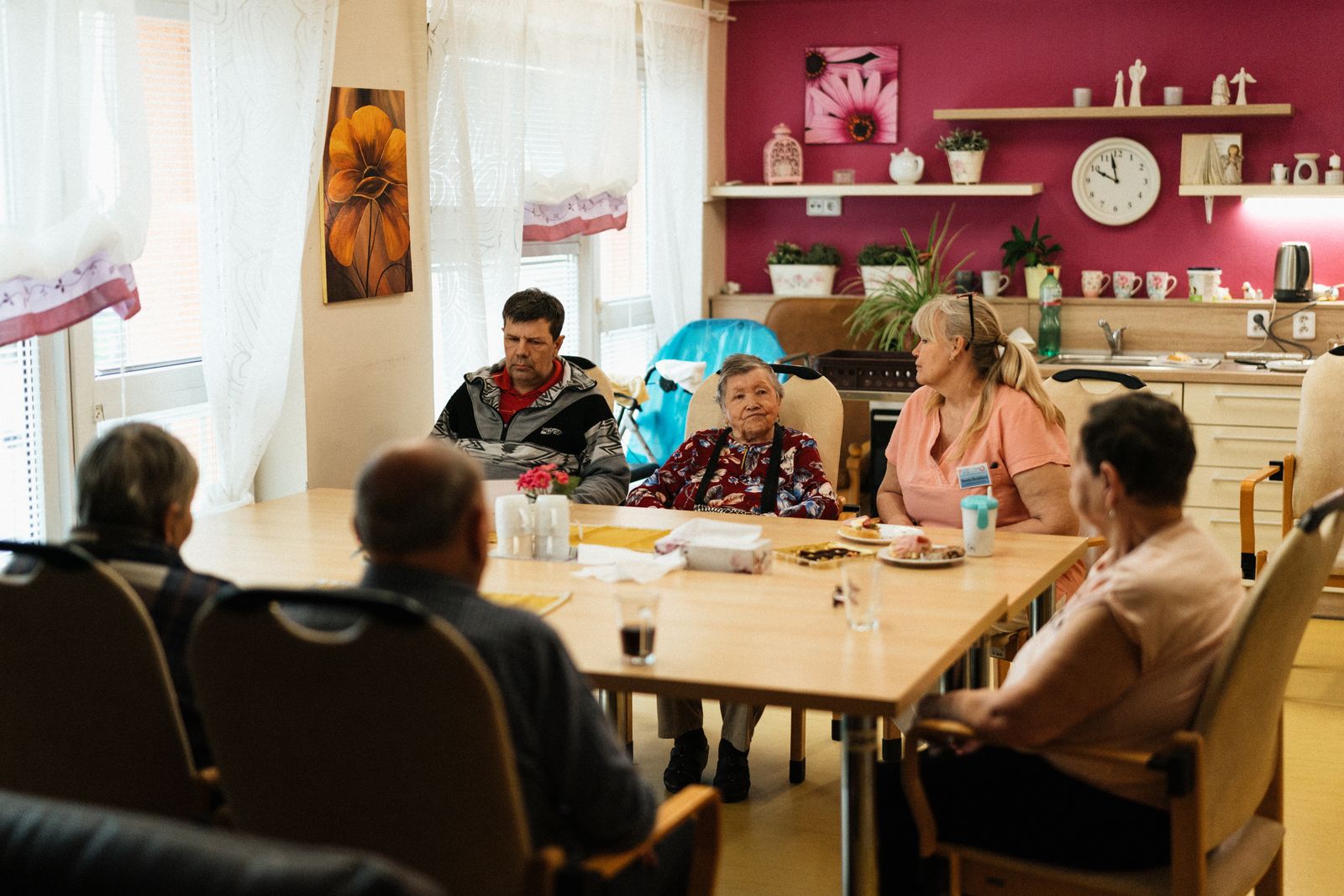
A board and care home provides “board” (a room and meals) and “care” (personal care and supervision) in a residential house. The owner or manager often lives on site, and caregivers are available 24 hours a day. Residents usually have their own bedroom or share one, and they share the kitchen, dining room and living areas, like a family.
Board and care homes are licensed by the state, usually by the same agency that licenses assisted living. Many states treat them as a smaller category of assisted living or residential care. They don’t provide skilled nursing around the clock, but many have caregivers trained to help with medication and some offer specialized dementia or hospice care.
What board and care homes are called in different states
| State | Common name | Size |
|---|---|---|
| California | Residential care facility for the elderly (RCFE), often called a “6-bed” or board and care | RCFEs range from 6 beds or fewer to large communities |
| Washington | Adult family home (AFH) | 2 to 6 residents; up to 8 with state approval |
| Oregon | Adult foster home | Small homes with a few residents |
| Pennsylvania | Personal care home | 4 or more unrelated adults |
| Many other states | Residential care home, group home, adult foster care, personal care home | Usually small, licensed by size |
When you search, try every local name. A “group home for elderly” in one state may be licensed as “assisted living” in the next.
Services a board and care home usually provides
- A private or shared bedroom, furnished or unfurnished
- Three meals a day plus snacks, and special diets
- 24-hour supervision
- Help with bathing, dressing, grooming, toileting and moving around
- Medication reminders or help taking medication
- Housekeeping and laundry
- Some activities and outings
- Help arranging doctor visits, transportation, home health and hospice
What they usually don’t offer: on-site skilled nursing, therapy gyms, large activity programs, or amenities such as pools and restaurants.
How much do board and care homes cost?
Because board and care homes are small and licensed under different names, no national survey tracks their prices separately. Senior living referral services estimate typical rates of roughly $3,500 to $4,500 a month, with shared rooms in lower-cost areas sometimes far less. For comparison, the CareScout 2025 Cost of Care Survey, which counts small group homes alongside larger communities, put the national median for assisted living at $6,200 a month.
Prices depend on:
- Location: Coastal cities cost much more than rural areas.
- Room: Shared rooms cost less than private rooms.
- Care needs: Many homes add charges for heavier care, incontinence care or dementia care.
- Payer: Homes that accept Medicaid or SSI residents may have set rates for those residents.
Board and care home vs assisted living
| Board and care home | Assisted living community | |
|---|---|---|
| Size | Usually 6 or fewer residents | Often 25 to 150+ residents |
| Setting | Private house in a neighborhood | Purpose-built building or campus |
| Staff ratio | Often higher (fewer residents per caregiver) | Varies; more staff overall but more residents |
| Activities and amenities | Limited, homelike | Planned activities, dining room, gym, outings |
| Privacy | Bedroom, sometimes shared | Usually a private apartment |
| Typical cost | Often lower | $6,200 a month national median (2025) |
A board and care home can suit someone who feels lost or overwhelmed in a large community, needs closer supervision, or is on a tighter budget. A larger assisted living community may suit someone who wants more social activity and independence. See assisted living requirements to check eligibility rules.

Board and care home vs nursing home
| Board and care home | Nursing home | |
|---|---|---|
| Medical care | Personal care and supervision; outside nurses visit as needed | 24-hour licensed nursing and therapy |
| Best for | People who need daily help but are medically stable | People who need skilled nursing or total care |
| Medicare | Doesn’t pay | Pays up to 100 days of skilled care after a qualifying hospital stay |
| Medicaid | May pay for care services through a waiver | Pays for long-term care, including room and board |
| Typical cost | Often several thousand dollars a month | $9,581 a month for a semi-private room (2025 median) |
If your loved one needs daily skilled nursing, see what a skilled nursing facility is and how much a nursing home costs.
Pros and cons of board and care homes
Pros
- Homelike, quiet setting that can feel less overwhelming
- More one-on-one attention from caregivers
- Often less expensive than larger assisted living communities
- Many accept residents with dementia or on hospice
- Often in residential neighborhoods close to family
Cons
- Fewer activities, amenities and social options
- Shared rooms are common
- Quality depends heavily on one owner and a small staff
- Limited medical care on site
- Fewer homes accept Medicaid, and openings can be scarce
Who pays for a board and care home?
Private pay
Most residents pay from Social Security, pensions, savings or the sale of a home. Long-term care insurance policies usually cover board and care homes that are licensed as assisted living or residential care once you meet the benefit triggers.
Medicare
Medicare doesn’t pay for board and care homes. It still covers doctor visits, prescriptions, hospice and home health care for residents.
Medicaid
Medicaid can pay for personal care services in board and care homes in many states, usually through home and community-based services (HCBS) waivers. Federal rules bar these waivers from paying for room and board, so residents still pay rent and food from their own income. In California, for example, Medi-Cal’s Assisted Living Waiver covers care in participating RCFEs in a limited number of counties. Read more in does Medicaid pay for assisted living and Medicaid waiver programs.
Supplemental Security Income (SSI)
People with very low income and assets may receive SSI, a federal benefit of up to $994 a month for an individual in 2026 ($1,029 in 2027). Many states add a state supplement for SSI recipients who live in licensed care homes, and some homes accept the SSI rate as full payment. Under federal law (the “Keys Amendment”), states must set and enforce standards for group living arrangements where many SSI recipients live.
Veterans benefits
- Aid and Attendance: Wartime veterans and surviving spouses who need help with daily activities may qualify for this VA pension supplement, which can be used for board and care. See VA Aid and Attendance.
- VA Medical Foster Homes: Private homes where a trained caregiver cares for no more than three residents, overseen by a VA home-based primary care team. The veteran pays the caregiver, typically about $1,500 to $3,000 a month according to VA programs.
How to check a board and care home
- Verify the license with your state’s licensing agency and look up recent inspection reports and complaints.
- Visit more than once, including at mealtime and in the evening.
- Meet the caregivers who will actually provide care, not just the owner.
- Ask about staffing at night: is a caregiver awake all night?
- Read the admission agreement for rates, extra charges, notice periods and discharge rules.
- Call the long-term care ombudsman. Ombudsman programs cover board and care homes as well as nursing homes and can tell you about complaints.
Questions to ask on a tour
- How many residents live here, and how many caregivers are on duty day and night?
- What training do caregivers have, especially in dementia care?
- Is the room private or shared, and what’s included in the monthly rate?
- What extra charges are there for higher care needs?
- Can residents stay if they need more care or go on hospice?
- Do you accept Medicaid, SSI, long-term care insurance or VA payments?
- What happens in an emergency, and how do you contact families?
- Can we see your most recent inspection report?
Frequently asked questions
What is the difference between a board and care home and assisted living?
Both provide housing, meals and help with daily activities. A board and care home is a small residential house, usually with 6 or fewer residents, while assisted living is usually a larger community with apartments, more amenities and more activities.
How much does a board and care home cost?
There’s no official national figure, but industry estimates put typical rates around $3,500 to $4,500 a month, often less than the 2025 national median of $6,200 for assisted living. Prices vary widely by location, room type and care needs.
Does Medicare pay for board and care homes?
No. Medicare doesn’t pay for room, board or personal care in a board and care home. It still covers medical care, prescriptions, home health and hospice for residents.
Does Medicaid pay for board and care?
In many states, Medicaid waivers pay for personal care services in licensed board and care homes, but not room and board. Residents usually pay rent and food from their income, often with SSI and a state supplement.
Are board and care homes good for dementia?
Many are. The small size, routine and close supervision can suit people with dementia. Ask about dementia training, secured exits and how the home handles wandering or behavior changes.
Are board and care homes regulated?
Yes. They must be licensed by the state and are inspected. Rules and names vary by state, so check the license and inspection history before choosing one.
Compare options near you: Search assisted living and residential care homes in your area.
Sources
- CareScout, Cost of Care Survey 2025
- Washington State Legislature, RCW 70.128.010 (adult family homes) and WAC 388-76-10031
- Pennsylvania Code, 55 Pa. Code Chapter 2600 (personal care homes)
- California Department of Social Services, Residential Care Facilities for the Elderly; Department of Health Care Services, Assisted Living Waiver
- Social Security Administration, SSI federal payment amounts for 2026 and 2027
- U.S. Department of Veterans Affairs, Medical Foster Home program; 38 CFR 17.73
- 42 CFR 441.310, limits on Medicaid HCBS waiver payments for room and board