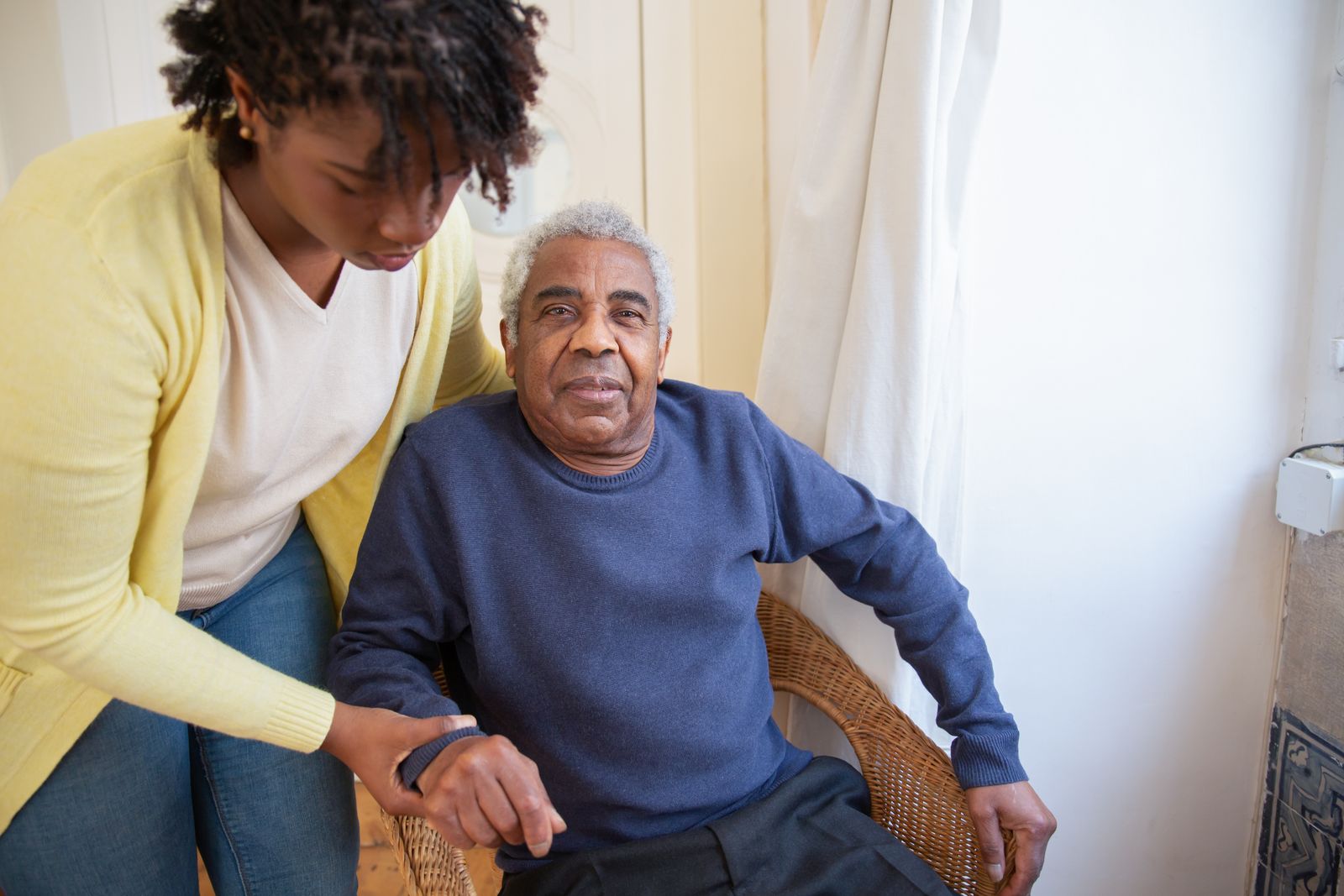
Family caregivers now spend an average of $11,508 a year of their own money caring for an adult relative or friend, according to AARP’s 2026 Caregiving Out-of-Pocket Costs Study, released October 28, 2026. That’s up 59% from $7,242 in AARP’s 2021 study, and it eats up an average of 31% of caregivers’ household income.
The findings put numbers on what many families already feel: caring for an aging parent costs real money, on top of time and lost work. Below we break down the key results, what’s driving the increase, who’s hit hardest, and the tax breaks and programs that can help in 2026.
Key findings
- Average yearly spending: $11,508, up from $7,242 in 2021 (+59%).
- Share of income: 31% on average; 76% for caregivers with household incomes under $40,000.
- Biggest costs: Housing and household expenses ($4,797 a year) and medical expenses ($3,313).
- Dementia care costs more: $15,846 a year, versus $10,221 for other caregivers.
- Region matters: Caregivers in the Mid-Atlantic (New York, New Jersey, Pennsylvania) spend about twice as much as those in parts of the Midwest.
- Study size: 2,538 family caregivers surveyed.

Where the money goes
Most caregiving costs aren’t exotic. They’re the basics of daily life for the person receiving care: food, rent or mortgage help, utilities, medicine and medical bills.
| Category | Average yearly spending | Share of total |
|---|---|---|
| Housing and household (food, rent or mortgage, utilities) | $4,797 | 42% |
| Medical (medicines, copays, equipment, paid care) | $3,313 | 29% |
| Everything else (transportation, personal items and more) | About $3,400 | 29% |
| Total | $11,508 | 100% |
Source: AARP 2026 Caregiving Out-of-Pocket Costs Study. “Everything else” is calculated from AARP’s totals.
Who’s hit hardest
Lower-income caregivers
Caregivers with household incomes below $40,000 spend an average of 76% of their income on caregiving. Those with incomes above $85,000 spend between 9% and 19%. Caregiving costs can push lower-income families into debt or force them to choose between their own bills and a parent’s needs.
Dementia caregivers
Caring for someone with Alzheimer’s disease or another dementia costs an average of $15,846 a year, compared with $10,221 for other caregivers. Dementia often means more supervision, more paid help and more home safety changes. Our guides to memory care and memory care costs cover the next steps many families face.
Working caregivers
Nearly two-thirds of working caregivers reported at least one impact on their job. Working caregivers spent an average of $12,606 a year, and those who took on an extra job to cover costs spent $16,851.
Caregivers dipping into savings
Caregivers who borrowed money or took out loans spent an average of $16,580 a year, and those who tapped retirement savings spent $17,907. Those who retired earlier than planned because of caregiving spent an average of $18,940, about 64% more than the overall average.
Region
Caregivers in New York, New Jersey and Pennsylvania spent the most, about $15,845 a year, nearly twice the $7,955 spent by caregivers in Midwestern states such as Iowa, Kansas, Minnesota and Missouri.

Why costs are rising
- Higher prices for food, housing and medical care since 2021.
- More complex care at home. Family caregivers increasingly handle medical tasks such as medication management and wound care.
- Expensive paid care. When families hire help, it’s costly: the CareScout 2025 national median for a non-medical caregiver was $35 an hour, and assisted living was $6,200 a month. See in-home care costs and assisted living costs.
- Gaps in coverage. Medicare doesn’t pay for long-term custodial care, and Medicaid is only available to people with limited income and assets.
Tax breaks and help for caregivers in 2026
Child and dependent care credit (expanded for 2026)
If you pay for care for a parent or spouse who can’t care for themselves so that you can work, you may qualify for the federal child and dependent care credit. Starting with the 2026 tax year, it covers 20% to 50% of up to $3,000 in expenses for one person ($6,000 for two or more), up from a 35% top rate. See our adult day care cost guide for details.
Dependent care FSA
Employers can now offer dependent care flexible spending accounts of up to $7,500 a year (up from $5,000), letting you pay eligible care costs with pre-tax money.
Claiming a parent as a dependent or deducting medical costs
If you provide more than half of a parent’s support and their income is low, you may be able to claim them as a dependent. Medical expenses you pay for a dependent can count toward the itemized medical deduction above 7.5% of your adjusted gross income. Ask a tax professional.
Getting paid as a caregiver
Medicaid self-directed programs, VA caregiver programs and personal care agreements can pay family caregivers. Read how to get paid to take care of a family member.
Proposed federal relief
AARP is pushing Congress to pass caregiver tax relief, including the bipartisan Lowering Costs for Caregivers Act, which would let caregivers use health savings or flexible spending accounts for a parent’s medical expenses, and the Credit for Caring Act, a proposed tax credit for working family caregivers. Neither has become law as of November 2026.
How to lower your caregiving costs
- Check Medicaid eligibility for your parent. Medicaid can pay for home care, adult day care and assisted living services. See Medicaid waiver programs and Medicaid spend down.
- Check veterans benefits, including Aid and Attendance.
- Use Medicare benefits fully: home health care, hospice and preventive services are covered. See Medicare home health coverage.
- Call your Area Agency on Aging (Eldercare Locator: 1-800-677-1116) for caregiver grants, respite, meals and transportation.
- Use respite and adult day care to keep working. See respite care.
- Talk to your employer about flexible hours, paid family leave (available in a growing number of states) and a dependent care FSA.
- Share costs with siblings and keep receipts for tax purposes.

Frequently asked questions
How much do family caregivers spend out of pocket?
An average of $11,508 a year, according to AARP’s 2026 study, up from $7,242 in 2021. That’s about 31% of the average caregiver’s household income.
What do family caregivers spend the most on?
Housing and household costs ($4,797 a year on average), followed by medical expenses ($3,313). Together they make up 71% of caregivers’ out-of-pocket spending.
Is there a tax credit for caregivers?
There’s no dedicated federal family caregiver tax credit yet, but the child and dependent care credit (20% to 50% of up to $3,000 in qualifying costs from 2026) can apply if you pay for a parent’s care so you can work. A proposed Credit for Caring Act hasn’t become law.
What is the Credit for Caring Act?
A bipartisan bill in Congress that would create a federal tax credit for eligible working family caregivers to offset some care costs. It hasn’t passed as of November 2026.
Why does caring for someone with dementia cost more?
Dementia often requires more supervision, more paid help, and home safety changes. AARP found dementia caregivers spend $15,846 a year on average, compared with $10,221 for other caregivers.
Need help with care? Find respite care or search senior living options near you.
Sources
- AARP, Family Caregivers’ Out-of-Pocket Costs Jump Almost 60% in Five Years (October 28, 2026)
- AARP Public Policy Institute, 2026 Caregiving Out-of-Pocket Costs Study
- Stateline, Caring for aging parents is getting more expensive (October 2026)
- CareScout, Cost of Care Survey 2025
- IRS Publication 503; One Big Beautiful Bill Act (Public Law 119-21)